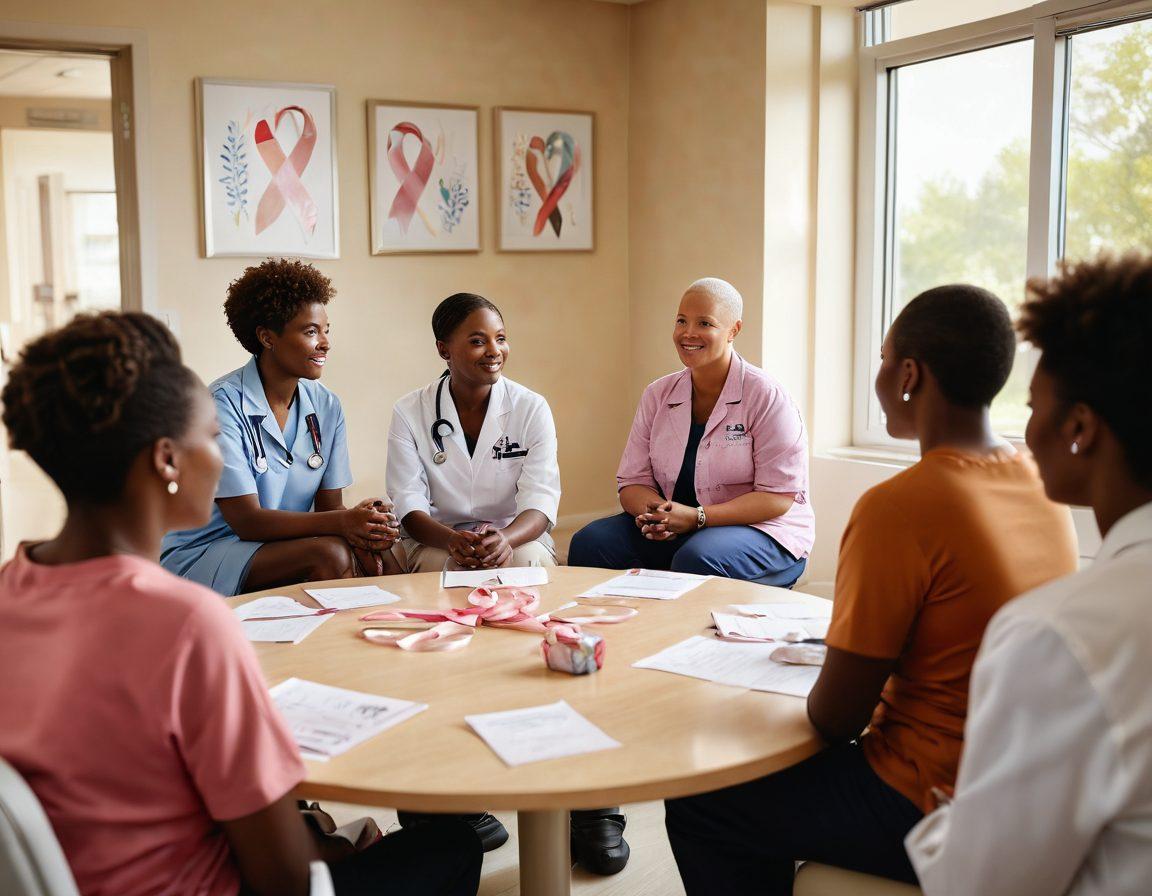
Navigating the Cancer Journey: Insights into Treatment Options and Patient Support
Navigating the world of cancer treatment is a daunting task—you are not just dealing with a diagnosis but a host of emotions and the urgent decisions that follow it. As we embark on this journey of exploration, we will delve into treatment options available for various malignancies, shedding light on the role of oncologists, clinical trials, and the profound importance of patient support. Imagine the weight on your shoulders when faced with terms like carcinoma and chemotherapy. Understanding your options can transform fear into empowerment and uncertainty into action.
The landscape of oncology care is vast and diverse, and each type of malignancy requires a nuanced approach. When a tumor is diagnosed, your oncologist will outline a series of treatment pathways tailored specifically to your needs. These may include chemotherapy, radiation therapy, immunotherapy, or even palliative care, all aiming to eradicate the cancer or manage its symptoms. As you make decisions regarding your treatment, take a moment to reflect—how much do you really know about each option? Do anxiety and fear cloud your understanding of their processes and benefits?
Let’s take a deeper look into these treatment options. Chemotherapy, for example, is often misunderstood; it involves administering powerful drugs that target rapidly dividing cancer cells but can also affect healthy cells. On the other hand, radiation therapy uses high doses of radiation to destroy cancer cells while minimizing damage to surrounding tissues. Emerging solutions like immunotherapy harness the power of your immune system to fight the disease. And amidst all this medical science, have you considered how lifestyle changes—such as nutrition and mental health—impact your journey?
The realm of medical research plays a crucial role in advancing our understanding of tumors and finding new treatment avenues. Clinical trials are an integral part of this process—ushering in hopes for new therapies by evaluating innovative methods firsthand. Connecting with the cancer community can broaden your perspective; hear survivor stories that resonate with your experience, and discover the support available through advocacy groups dedicated to cancer awareness and prevention. Have you ever wondered how grassroots fundraising for cancer research can influence your treatment options? It’s a powerful testament to unity in the face of adversity.
Understanding the holistic approaches to living with cancer can also lead to profound changes in your overall well-being. Combining traditional medicine with psychosocial support and health education can create a comprehensive support system, alleviating the isolation that cancer often brings. Early detection is critical; recognizing symptoms and monitoring tumor markers can sometimes make the difference between life and death. So as we delve into this intricate landscape of treatment pathways and patient support, remember: every story is unique, and your voice matters in crafting your healing journey.
Empowering Patients: Strategies for Support and Awareness in the Cancer Community
In a world where cancer can feel like a dark shadow looming overhead, empowering patients through education and support can illuminate the path toward resilience and hope. Navigating the complex waters of cancer treatment can be overwhelming, but understanding the options available and forming a robust support system can make all the difference. As we embark on this journey together, let’s explore how awareness, advocacy, and connection foster a strong cancer community and lead individuals toward living well with their diagnosis.
The moment of diagnosis can be paralyzing. One day you're living your life, and the next you're facing the harsh realities of terms like 'malignancy,' 'carcinoma,' and 'tumor markers.' How do you make sense of this whirlwind? First, ask yourself - who is on your side? It’s essential to build a support network consisting of oncologists who specialize in your particular prognosis, as well as trusted friends and family who can uplift you. Remember, you are not alone. Cancer statistics remind us that millions are navigating similar paths, and sharing your story can bring comfort to others. As one survivor wisely said, 'The shortest distance between two people is shared experience.'
Knowledge is power, especially when it comes to understanding treatment options. With advances in medical research, patients today have a wealth of choices. From chemotherapy and radiation therapy to innovative immunotherapy and clinical trials, options abound that can positively influence outcomes. But how do you choose the right path? It begins with an open dialogue with your oncologist. They can guide you in aligning your treatment with your lifestyle changes and goals. Remember that decision-making is a joint venture—ask questions, voice your concerns, and don’t shy away from exploring holistic approaches that encompass both physical and emotional well-being. Advocacy for your health often begins at the doctor's office.
Incorporating psychosocial support and proper nutrition into your cancer journey can truly empower your fight. Consider what you consume, not just in food but in information. Seek resources that promote health education and cancer awareness. Whether it's joining community support groups or participating in fundraising for cancer research, each small step counts. Survivor stories spark hope and provide vital insights into coping techniques. Have you ever considered how nutrition and cancer can work hand in hand? Engaging with registered dietitians to tailor your diet to support both your body and treatment can lead to significant improvements in overall well-being.
As people within the cancer community, we have the incredible opportunity to uplift one another. The journey doesn’t end with treatment—daily lives continue with new challenges and triumphs. With cancer prevention efforts, early detection awareness, and the push for advocacy and funding, we can work to minimize the chances of diagnosis for future generations. Engage in conversation and share your insights to foster a culture of hope and resilience. Remember, living with cancer isn't just about surviving; it's about thriving and inspiring those around you, turning a diagnosis into a story of strength and unity. It’s time to navigate the cancer journey together, one empowered step at a time.
From Diagnosis to Recovery: Navigating the Challenges of Living with Cancer
The journey with cancer is one of the most challenging ventures a person can face. Imagine being handed a diagnosis that leaves you feeling as lost as a tourist in a foreign land—uncertain, scared, and overwhelmed. From the moment the word 'malignancy' is uttered by your oncologist, life takes an immediate turn. Yet, amidst the cyclone of emotions and information, there is a path to navigate this terrain, filled with various treatment options, supportive communities, and survivor stories that shine with hope. How do we harness that hope and transform our journey from seemingly unattainable to achievable?
When you hear the word carcinoma, it’s easy for panic to settle in. However, it's essential to understand the symptoms you may experience and the subsequent process of diagnosis and treatment options available. The key is early detection, which significantly impacts outcomes and survival rates. Consulting with a reputable oncologist about potential tumor markers can guide you in understanding your specific situation better. Just imagine being empowered by knowledge—knowing that early recognition and timely medical research can facilitate options like chemotherapy, radiation therapy, or immunotherapy. Isn't it comforting to realize that there are various avenues to explore on this health journey?
Living with cancer isn't just a physical battle; it's an emotional and psychological whirlwind, too. That's where psychosocial support plays a critical role. Navigating patient support resources can provide invaluable companionship and insight. Whether it's sharing stories with other members of the cancer community or participating in clinical trials that contribute to groundbreaking medical research, there’s a certain solace in knowing you’re not alone. Have you ever been surprised by the strength you can find in shared experiences? Together, we can lobby for advocacy, supporting not only ourselves but future patients, too.
The reality is, even amidst the harsh realities of treatment, a lifestyle change can dramatically impact your journey. The links between nutrition and cancer are increasingly evident, and small adjustments can lead to significant improvements in one's overall well-being during treatment phases. Picture this: What if a simple shift towards incorporating more whole foods into your diet or engaging in light exercise, as guided by health education modules, could help you feel stronger? Making deliberate lifestyle changes does more than just influence medical outcomes; it enhances your quality of life, allowing you to embrace your role as a survivor with vigor.
Your story, just like countless others, deserves to be heard. By sharing your journey, whether through fundraising for cancer research or raising cancer awareness, you help shed light on a subject that affects millions. Have you ever thought about how your experiences can inspire others facing similar battles? Your journey has the potential to create a ripple effect—encouraging early detection, nurturing survivorship, and uplifting those around you. Indeed, each voice in the cancer community is a vital thread in the fabric of hope and resilience.